

The Evolution of Toyota’s Electric Vehicle Lineup: A Look into the Future
Toyota has long been a trailblazer in the automotive industry, pioneering innovative technologies and shaping the future of transportation. From introducing the world to hybrid vehicles with the Prius to expanding its lineup of electric vehicles (EVs), Toyota has consistently demonstrated its commitment to sustainable mobility. As electric car technology continues to evolve, Toyota is at the forefront of delivering efficient, reliable, and eco-friendly transportation solutions. For residents of Thomaston, Maine, where environmental preservation and sustainable living are increasingly important, Toyota’s electric vehicle lineup offers a compelling choice. This blog explores the evolution of Toyota’s electric vehicles, delves into the technology driving their innovation, and provides insights into the future of Toyota’s EVs.
A Brief History: From the Prius to Toyota’s Current EV Models
Toyota’s journey in sustainable transportation began with the launch of the Toyota Prius in 1997, the world’s first mass-produced hybrid vehicle. The Prius revolutionized the automotive industry, combining a gasoline engine with an electric motor to significantly reduce fuel consumption and emissions. It quickly became a symbol of environmental consciousness and set the stage for the development of modern hybrid and electric vehicles.
Building on the success of the Prius, Toyota expanded its hybrid technology to other models, including the Camry Hybrid, Highlander Hybrid, and RAV4 Hybrid. These vehicles provided drivers with the performance and reliability they expected from Toyota, while also contributing to reduced environmental impact. As consumer interest in electric vehicles grew, Toyota introduced plug-in hybrids like the Prius Prime, which offered an extended all-electric driving range alongside a traditional gasoline engine.
In recent years, Toyota has taken significant steps toward fully electric vehicles, introducing models like the bZ4X. This all-electric SUV, part of Toyota’s Beyond Zero (bZ) series, combines cutting-edge battery technology, a sleek design, and advanced features to offer an eco-friendly alternative for drivers in Thomaston, Maine, and beyond.
Electric Car Technology: The Backbone of Toyota’s EV Innovation
Toyota’s electric vehicles are built on a foundation of advanced technology designed to optimize efficiency, performance, and sustainability. One of the most critical components of Toyota EVs is their battery technology. The company has invested heavily in developing lithium-ion and solid- state batteries, which offer higher energy density, faster charging times, and longer lifespans compared to traditional batteries. These advancements ensure that Toyota’s EVs meet the needs of modern drivers while minimizing environmental impact.
In addition to batteries, Toyota’s electric vehicles feature regenerative braking systems that capture and store energy during deceleration. This technology improves overall efficiency and extends the vehicle’s range, making it an ideal choice for those navigating the hilly terrain of Thomaston, Maine.
Toyota’s commitment to innovation also extends to connectivity and safety. Many Toyota EVs are equipped with advanced driver-assistance systems, including adaptive cruise control, lane- keeping assist, and collision avoidance technology. These features not only enhance safety but also contribute to a more comfortable and enjoyable driving experience.
Toyota’s Commitment to Sustainable Transportation
As a leader in the global automotive industry, Toyota recognizes its responsibility to promote sustainable transportation. The company’s environmental initiatives are guided by its Environmental Challenge 2050, a comprehensive plan to reduce carbon emissions, conserve natural resources, and support the transition to a circular economy.
One of Toyota’s key goals is to achieve carbon neutrality across its entire vehicle lifecycle, from production to disposal. To accomplish this, Toyota is investing in renewable energy for its manufacturing facilities, developing recyclable materials for its vehicles, and supporting the expansion of EV charging infrastructure. These efforts align with the values of communities like Thomaston, Maine, where sustainability is a priority.
Toyota’s commitment to sustainability is also evident in its collaboration with governments, businesses, and organizations to promote the adoption of electric vehicles. By working together, Toyota and its partners aim to create a cleaner, greener future for all.
Toyota’s Electric Vehicle Lineup: Present and Future
Toyota’s current lineup of electric vehicles showcases its dedication to meeting diverse consumer needs. From hybrid cars to fully electric models, Toyota offers a range of options for drivers seeking sustainable transportation.

Hybrid Vehicles
Models like the Toyota Camry Hybrid, RAV4 Hybrid, and Highlander Hybrid continue to be popular choices for drivers who want improved fuel efficiency without fully transitioning to electric. These vehicles combine gasoline engines with electric motors to deliver excellent performance and reduced emissions.

Plug-In Hybrids
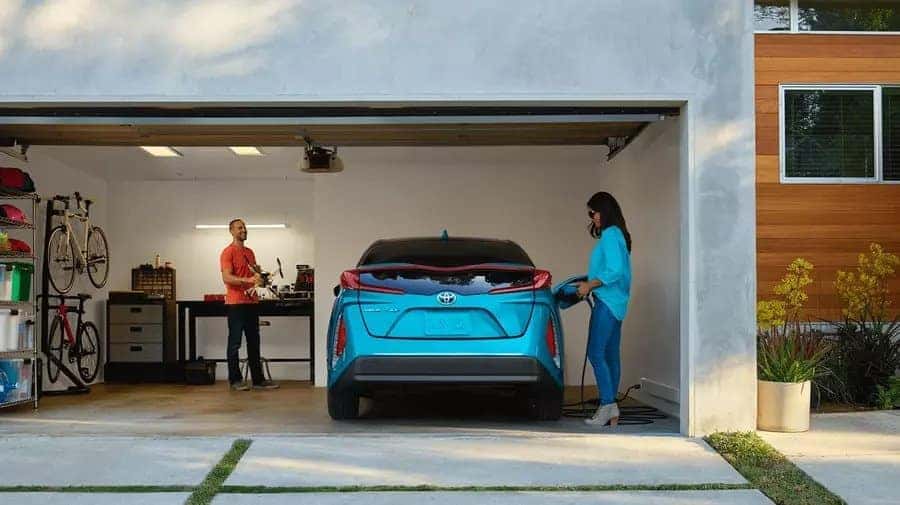
The Prius Prime and RAV4 Prime offer an extended all-electric driving range, making them ideal for short commutes around Thomaston, Maine. These vehicles provide the flexibility of a gasoline engine for longer trips, offering the best of both worlds.
All-Electric Models
The Toyota bZ4X is Toyota’s flagship electric SUV, designed to meet the growing demand for fully electric vehicles. With a spacious interior, advanced technology, and an impressive driving range, the bZ4X is perfect for eco-conscious families and individuals.
Looking to the future, Toyota plans to expand its electric vehicle lineup with additional models in the bZ series and beyond. These vehicles will feature improved battery technology, innovative designs, and enhanced connectivity, ensuring that Toyota remains a leader in the electric vehicle market.
Advantages of Electric Vehicles: Why Thomaston Drivers Should Consider a Toyota EV
Electric vehicles offer numerous benefits for drivers in Thomaston, Maine, ranging from cost savings to environmental impact. One of the most significant advantages of Toyota EVs is their contribution to reducing greenhouse gas emissions. By eliminating tailpipe emissions, Toyota’s electric vehicles help improve air quality and combat climate change. Another key benefit is the cost savings associated with electric vehicles. Toyota EVs are generally less expensive to maintain than traditional gasoline-powered cars, thanks to fewer moving parts and reduced reliance on oil changes. Additionally, charging an electric vehicle is often cheaper than refueling with gasoline, making EVs a more affordable option in the long run. For families in Thomaston, Maine, Toyota’s electric vehicles provide a safe and spacious alternative to traditional SUVs and sedans. Models like the bZ4X offer ample cargo space, advanced safety features, and a comfortable ride, making them ideal for daily commutes, road trips, and everything in between.
Comparison of Toyota Electric Vehicles When comparing Toyota’s electric vehicles to other models on the market, several factors set them apart. Toyota’s reputation for reliability and durability ensures that its EVs are built to last, providing drivers with confidence in their investment. In terms of performance, Toyota’s electric vehicles deliver a smooth and responsive driving experience, thanks to advanced battery technology and efficient powertrains. The bZ4X, for example, offers a range of up to 250 miles on a single charge, making it a practical choice for both urban and rural driving. Toyota’s commitment to safety is another key differentiator. With features like Toyota Safety Sense™, drivers can enjoy peace of mind knowing that their vehicle is equipped with state-of- the-art technology to protect them and their passengers.
The Future of Electric Cars: What to Expect from Toyota
As the demand for electric vehicles continues to grow, Toyota is poised to lead the way with innovative solutions that address the needs of modern drivers. The company’s future electric cars will likely feature even more advanced battery technology, offering longer ranges and faster charging times. Toyota is also exploring the potential of hydrogen fuel cell technology as a complement to battery-powered EVs. This approach could provide additional options for sustainable transportation, particularly in regions where hydrogen infrastructure is being developed.
For communities like Thomaston, Maine, the future of electric cars promises cleaner air, reduced energy costs, and a more sustainable way of life. By choosing a Toyota EV, drivers can be part of this exciting transition while enjoying the benefits of cutting-edge technology and exceptional performance. The evolution of Toyota’s electric vehicle lineup reflects the company’s unwavering commitment to innovation, sustainability, and customer satisfaction. From the groundbreaking Prius to the all- electric bZ4X, Toyota has consistently pushed the boundaries of what’s possible in automotive technology.
For residents of Thomaston, Maine, Toyota’s electric vehicles offer a practical and eco-friendly solution to modern transportation challenges. With their advanced features, impressive performance, and commitment to sustainability, Toyota EVs are well-suited to meet the needs of today’s drivers. As Toyota continues to expand its electric vehicle offerings and invest in sustainable practices, the future of transportation looks brighter than ever. By choosing a Toyota EV, you’re not only making a smart choice for your lifestyle—you’re contributing to a cleaner, greener world.

0 comment(s) so far on The Evolution of Toyota’s Electric Vehicle Lineup: A Look into the Future