
What is Section 179?
What is Section 179?
If you are a business owner exploring ways to reduce your taxable income while making smart investments into your company, Section 179 is one of the most valuable tax advantages available today. Section 179 of the Internal Revenue Code allows businesses to deduct the full or partial purchase price of qualifying equipment and vehicles in the same year they are placed into service, rather than spreading the deduction out over several years through depreciation. This creates an opportunity to immediately lower your tax liability while reinvesting in the tools, vehicles, and equipment that help your business grow and operate more efficiently. For many small and mid-sized businesses, especially those that rely on transportation, construction, or service-based operations, this deduction can significantly improve cash flow and provide the flexibility to upgrade vehicles sooner than planned. At Shepard Toyota, we work closely with business owners across Midcoast Maine and surrounding communities to help them identify vehicles that may qualify for Section 179 while aligning those choices with their operational needs and long-term goals.
Understanding How Section 179 Works for Vehicle Purchases
When a business purchases a vehicle without Section 179, the cost is typically depreciated over a number of years, which limits how much of the expense can be written off in any single tax year. Section 179 changes this approach by allowing businesses to take a much larger deduction upfront, often covering a substantial portion or even the full purchase price depending on the vehicle and how it is used. This immediate deduction can make a meaningful difference in year-end tax planning, particularly for businesses that are profitable and looking to offset income. For the current tax year, businesses may be eligible to deduct up to millions in qualifying purchases, with a phase-out threshold that begins once total equipment and vehicle purchases exceed a certain limit. This structure is designed to support growing businesses while still offering substantial benefits to those making strategic investments. The ability to combine Section 179 with bonus depreciation further enhances the potential savings, making it one of the most powerful financial tools available when purchasing a vehicle for business use.

Eligibility and Weight Classifications
The amount you can deduct under Section 179 depends largely on the type of vehicle you purchase and its Gross Vehicle Weight Rating. Vehicles that fall under 6,000 pounds, such as many standard passenger cars and smaller SUVs, are subject to more restrictive deduction limits. While these vehicles can still qualify, the total amount that can be written off in the first year is typically capped at a lower level, which may not provide the same level of immediate tax relief as heavier vehicles. Vehicles that exceed 6,000 pounds open the door to significantly larger deductions, which is why many business owners choose trucks, larger SUVs, and commercial vehicles when planning their purchases. Depending on how the vehicle is classified and used, businesses may be able to deduct a substantial portion of the purchase price in the first year, making these models especially attractive from both a financial and operational standpoint.
Requirements to Qualify for Section 179
To take advantage of Section 179, the vehicle must be used for business purposes more than fifty percent of the time, which is one of the most important criteria to understand. If the vehicle is used for both business and personal activities, only the percentage related to business use can be deducted, so maintaining accurate records is essential. The vehicle must also be purchased or financed and placed into service within the same tax year in order to qualify for that year’s deduction. Both new and used vehicles are eligible, as long as they are new to your business and meet IRS requirements. This flexibility allows business owners to explore a wide range of options, from brand new models to high-quality pre-owned vehicles that still deliver strong performance and reliability. The key is to ensure that the vehicle is actively used in your business operations, whether that means job site visits, client meetings, deliveries, or daily transportation tied directly to your work.
Section 179 Compared to Bonus Depreciation
Section 179 and bonus depreciation are often discussed together because they can be used strategically to maximize tax savings. Section 179 allows businesses to take a specific deduction amount upfront, giving them control over how much they want to expense in the current year. Bonus depreciation, on the other hand, can be applied to the remaining value of the vehicle after the Section 179 deduction is taken, allowing for even greater write-offs in the first year. When combined, these two tax strategies can significantly reduce the overall cost of a vehicle purchase from a tax perspective. This is especially beneficial for businesses that are experiencing growth and want to reinvest profits into assets that support expansion, efficiency, and long-term success. Working with a tax professional can help you determine the best approach based on your financial situation and business goals.
Why Section 179 Is a Smart Move for Business Owners?
Section 179 is more than just a tax deduction; it is a strategic opportunity to strengthen your business while improving your financial position. By taking advantage of this deduction, you can reduce your taxable income immediately, which helps preserve cash flow and gives you more flexibility to invest in other areas of your business. This can include hiring additional staff, expanding services, or upgrading equipment that enhances productivity. In addition to the financial benefits, purchasing a newer vehicle can improve reliability, safety, and overall efficiency. Modern vehicles offer advanced technology, improved fuel efficiency, and enhanced safety features, all of which contribute to a better experience for both you and your team. For businesses that rely heavily on transportation, having dependable vehicles can also improve customer satisfaction and operational consistency.
Section 179 Qualifying Vehicles at Shepard Toyota
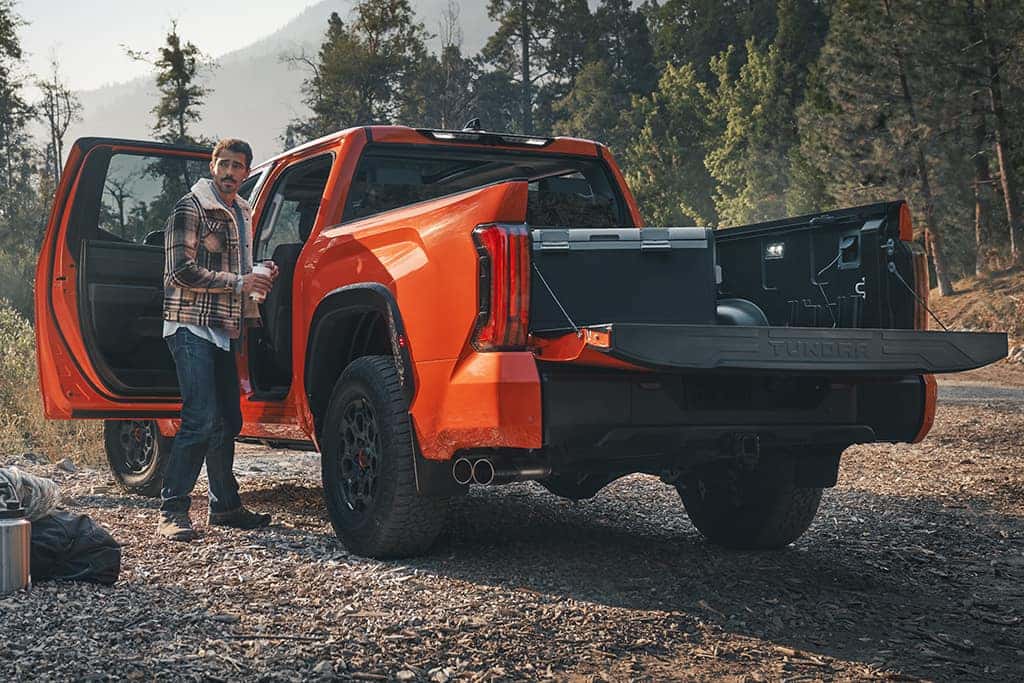
At Shepard Toyota, we offer a strong lineup of vehicles that may qualify for Section 179, making it easier for business owners to find options that fit both their budget and their needs. Models such as the Toyota Tundra and Toyota Tacoma provide the strength and capability needed for demanding jobs, while larger SUVs like the Toyota Sequoia and Toyota Land Cruiser offer a combination of space, comfort, and performance that works well for both professional and personal use. Our team understands that every business is different, which is why we take the time to walk you through your options and help you identify vehicles that align with your goals. Whether you are looking to expand your fleet or simply upgrade your current vehicle, we are here to make the process as seamless and beneficial as possible.
Take Advantage of Section 179 at Shepard Toyota
If you are considering upgrading your business vehicle, Section 179 provides a unique opportunity to do so while maximizing your tax savings. By choosing the right vehicle and timing your purchase strategically, you can reduce your tax burden, improve your operations, and position your business for continued success. Visit Shepard Toyota to explore qualifying vehicles and connect with a team that understands how to help business owners make smart, informed decisions.
Frequently Asked Questions About Section 179
What is Section 179 in simple terms?
Section 179 is a tax deduction that allows businesses to write off the cost of qualifying equipment and vehicles in the same year they are purchased and used, rather than depreciating the cost over several years. This helps reduce taxable income and improve cash flow.
How much can I deduct under Section 179?
The deduction amount can be substantial and may cover a large portion or even the full purchase price of a qualifying vehicle, depending on factors such as the vehicle type, weight, and business usage.
Do I have to buy a new vehicle to qualify?
No, both new and used vehicles can qualify for Section 179 if they are new to your business and meet IRS requirements for business use.
Does the vehicle need to be used only for business?
The vehicle does not need to be used exclusively for business, but it must be used more than fifty percent of the time for business purposes to qualify. Only the business-use can be deducted.
Can I finance a vehicle and still take the deduction?
Yes, financing a vehicle does not impact your ability to take the Section 179 deduction. You can still deduct based on the full purchase price, even if you are making payments over time.
What types of vehicles qualify for Section 179?
Trucks, SUVs, vans, and other vehicles that meet certain weight and usage requirements are typically eligible, especially those used for business operations such as transportation, hauling, or service work.
When do I need to purchase the vehicle to qualify?
The vehicle must be purchased and placed into service before the end of the tax year in order to qualify for that year’s deduction.
Is Section 179 only for large companies?
No, Section 179 is specifically designed to help small and mid-sized businesses invest in growth by making it easier to afford necessary equipment and vehicles.
*While Section 179 can offer significant advantages, it is important to remember that tax laws are complex and can change over time. Eligibility, deduction limits, and how the deduction applies to your specific situation will depend on a variety of factors, including your business structure, income, and usage of the vehicle. We always recommend consulting with a qualified tax professional or CPA before making a purchase decision to ensure you are maximizing your benefits and remaining compliant with current regulations.
